
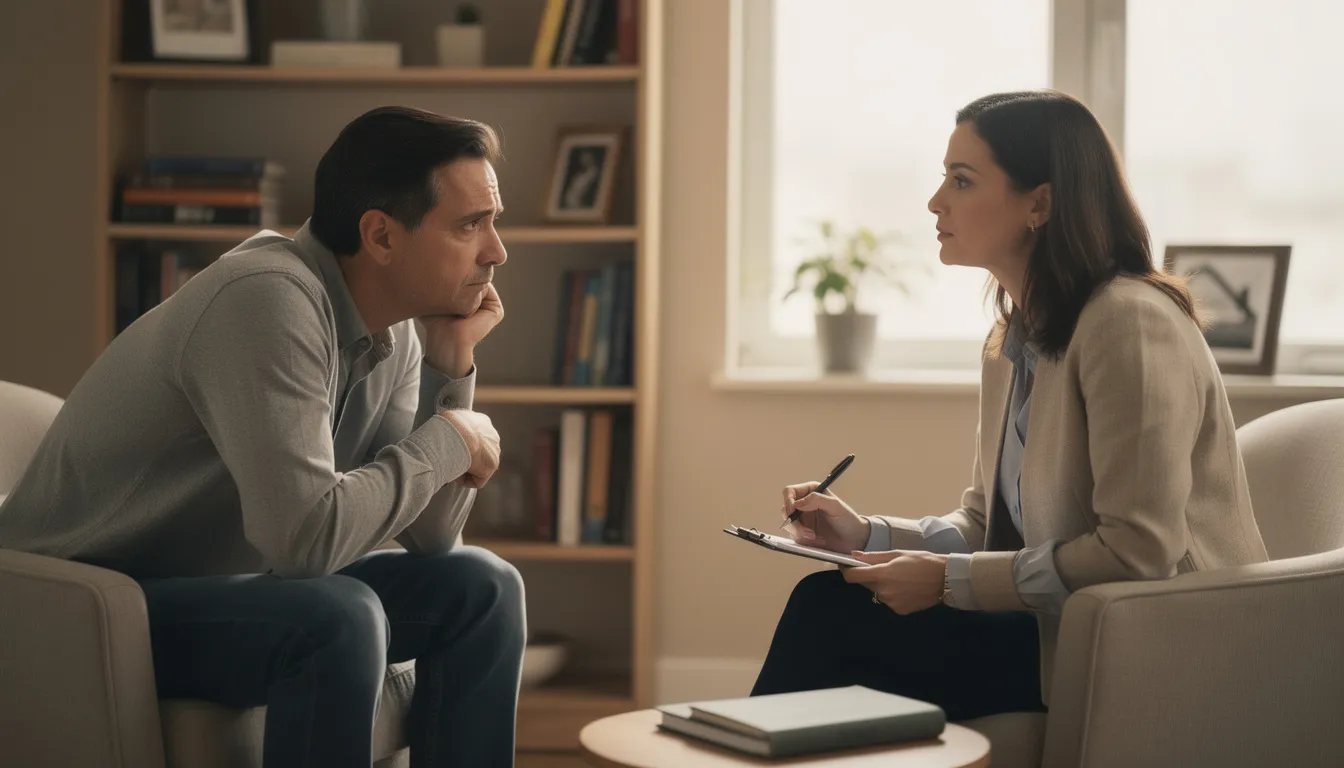
At Autumn Leaves Psychiatry, we work with many individuals who feel overwhelmed by anxiety, weighed down by depression, or experiencing a mix of both. These conditions can affect sleep, focus, relationships, and overall quality of life, often making everyday tasks feel exhausting or unmanageable. The good news is that effective treatment options are available, and care can be personalized to meet each person where they are emotionally and clinically. Below are some of the most common therapy and treatment options for anxiety and depression.
Psychiatric Evaluation and Diagnosis
Treatment begins with a comprehensive psychiatric evaluation. This process allows us to understand symptoms, personal history, current stressors, and treatment goals. Anxiety and depression can present differently in each individual, so a thorough evaluation helps ensure care is accurate, thoughtful, and aligned with what you are experiencing.
Medication Management
For many individuals, medication can play an important role in stabilizing mood and reducing symptoms. Medication management is one of the common therapy options for anxiety and depression. It involves careful selection, ongoing monitoring, and adjustments as needed to support effectiveness and minimize side effects. This approach is collaborative, with regular check-ins to ensure treatment continues to meet your needs over time.
Individual Psychotherapy
Talk therapy is a cornerstone of treatment for anxiety and depression. Individual therapy provides a supportive space to explore thoughts, emotions, behaviors, and life experiences that may be contributing to distress. Over time, therapy can help improve emotional regulation, build confidence, and create healthier patterns for coping with stress.
Cognitive And Skills-Based Approaches
Structured therapy approaches focus on identifying unhelpful thought patterns and replacing them with healthier, more balanced perspectives. These methods are especially effective for anxiety, negative self-talk, and depressive thinking cycles. Clients also learn practical skills they can apply in daily life to manage symptoms more effectively.

EMDR Therapy
Eye Movement Desensitization and Reprocessing is often recommended when anxiety or depression is connected to trauma or unresolved experiences. EMDR helps the brain process distressing memories so they no longer trigger intense emotional reactions in the present. Many individuals find relief without needing to repeatedly discuss or relive painful events in detail.
Teletherapy Services
Access to care is an important part of mental health treatment. Teletherapy allows individuals to receive consistent support from the comfort and privacy of their own home. This option can reduce barriers such as travel, busy schedules, or anxiety related to in-person appointments, while still providing high-quality clinical care.
Collaborative and Ongoing Care
Anxiety and depression are not one-size-fits-all conditions. Though there are manycommon therapy options for anxiety and depression, treatment often evolves over time and may include a combination of therapy, medication, and lifestyle support. Our approach emphasizes collaboration, regular progress review, and flexibility as your needs change.
Finding the Right Path Forward
At Autumn Leaves Psychiatry, we believe healing begins with understanding, trust, and compassionate care. Whether symptoms are new, long-standing, or linked to past experiences, there are effective options available to support meaningful change. You do not have to navigate anxiety or depression alone. There are many common therapy options for anxiety and depression readily available to you, and we are here to help.
If you are struggling with anxiety or depression, contact Autumn Leaves Psychiatry today to schedule an appointment. Taking the first step toward care can open the door to greater stability, clarity, and emotional well-being.
Get in touch!
If you have any questions or would like to set up an appointment, please don't hesitate to reach out.